

Maintaining a vacuum machine is essential if you want to maintain regular suction, clean sealing and good food hygiene. In practice, a few simple actions after each use and a more complete check every few weeks are enough to avoid most losses in performance.
A poorly maintained machine does not necessarily break down straight away, but it welds less well, forces more and ages more quickly. This is also one of the most common reasons behind small vacuum defects that are wrongly attributed to the quality of the machine.
Why maintaining a vacuum machine really changes the lifespan
Yes, maintenance directly changes the reliability of your vacuum machine. The weld area, the joint, the suction chamber and the moisture residues are the points that deteriorate the fastest when deposits are allowed to accumulate.
In the field, problems often appear gradually: less clear suction, a bag that slips, incomplete welding or traces of grease on the heating bar. Regular cleaning helps keep the pressure more stable and limits premature wear of sensitive components.
- you reduce the risk of irregular welding;
- you protect the joints and supporting surfaces;
- you prevent food residue from contaminating future packaging;
- you maintain better performance over time.
If you are still using a light domestic machine, it is useful to also know the operating limits discussed inour guide to using a vacuum machine Silvercrest. For more intensive use, the maintenance constraints are not the same as on a machine designed for one-off flow.
What actions should you take after each use?
After each session, clean the areas in contact with the bags, remove any moisture and allow the machine to dry before prolonged closure. This simple reflex already does a lot of the work.
The correct order is to unplug the appliance, wait for it to cool completely, then gently wipe the surfaces with a soft, slightly damp cloth. Never saturate the machine with water or use aggressive products on the sealing bar.
The short routine not to skip
Here is the most profitable routine after normal use:
- wipe the sealing bar and the bag support area;
- remove traces of grease, juice or food particles;
- visually check the seal and the sealing foam;
- leave the device open for a few minutes to evacuate the humidity;
- store the machine in a dry and clean place.
This discipline is even more important if you are packaging moist, marinated or slightly fatty products. In these cases, the machine must work in good clean conditions, otherwise the vacuum quality drops quickly.
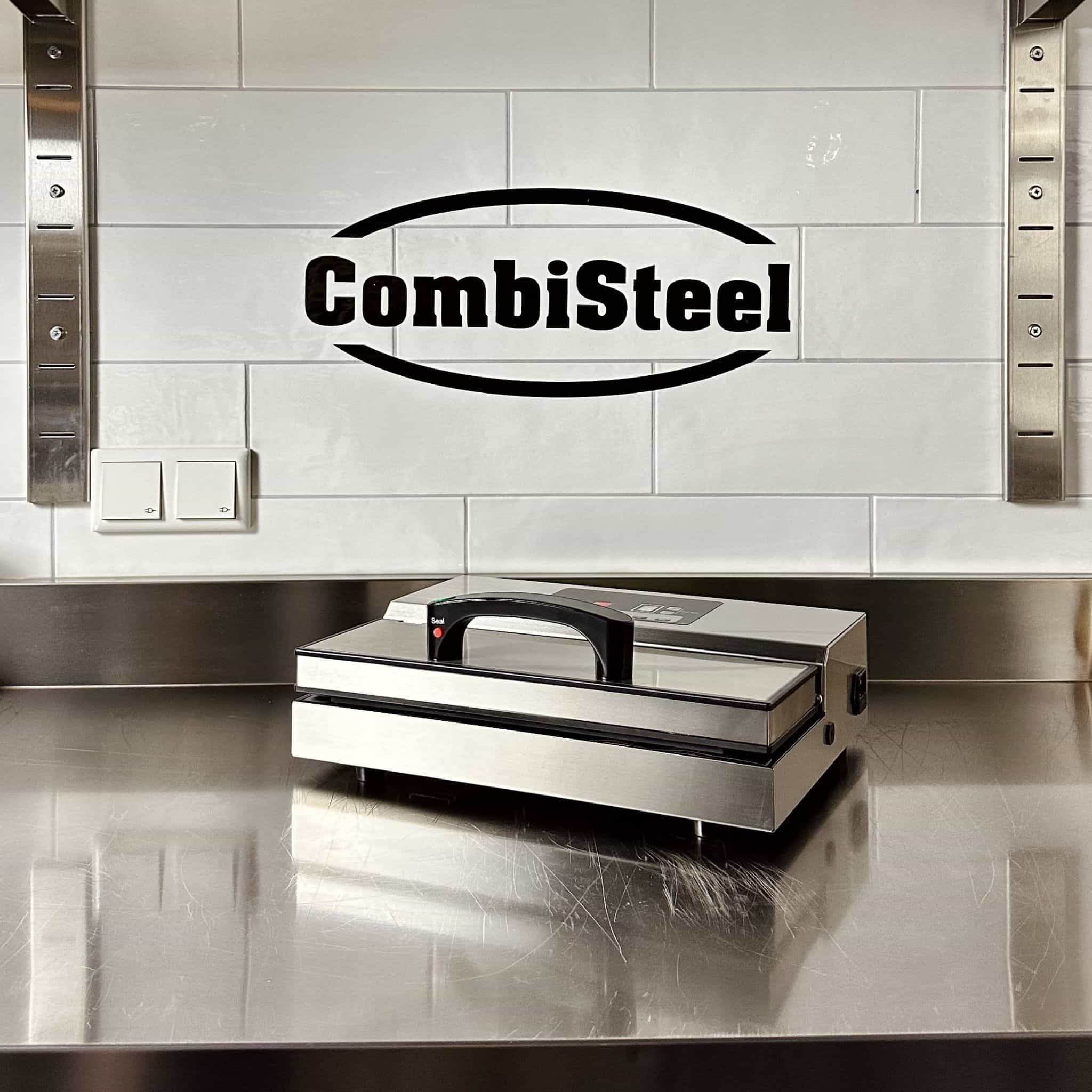
- Easy to maintain format for regular use in the kitchen
- 31 cm bar suitable for most common bags
- More reassuring construction than a small entry-level model
Which areas should be checked each week to avoid false defects?
Every week, it is necessary to check what directly influences the tightness and quality of the weld. It is often at this moment that we notice a compacted seal, a dirty bar or imperfect alignment of the bag.
The reader generally wants to know if their machine is showing signs of fatigue or simply a lack of maintenance. In most cases, a precise visual inspection already allows a decision to be made.
| Area to control | What to observe | Impact if neglected |
|---|---|---|
| Sealing bar | Brown marks, deposits, stuck bag, irregularities | Incomplete or fragile welding |
| Gasket/sealing foam | Crush, crack, detached area | Loss of vacuum, slower suction |
| Suction channel | Moisture, juice, crumbs, grease | Disturbed suction and degraded hygiene |
| Cover and supports | Dirt, misalignment, forced closing | Poor contact and premature wear |
Verdict:If your machine still vacuums but welds poorly, start with the welding bar and supports. If it welds but draws an uneven vacuum, the joint and vacuum channel are usually the first suspects.
When performance drops especially on moist foods, it may also be useful to rereadour guide to vacuum liquids, because many maintenance defects come from poor juice management during packaging.
Pro tip:don’t wait for a breakdown to clean thoroughly. A vacuum machine maintained immediately after use requires less effort than a device left dirty for several days, especially after meat, marinade or fish.
How to adapt maintenance according to the type of vacuum machine?
Not all vacuum machines are maintained in exactly the same way. An external suction machine especially requires rigor on the welding zone and the suction channel, while a bell machine requires more care on the tank, the cover and the chamber seals.
The real question is therefore less “should it be maintained?” that “where is the useful maintenance concentrated according to my equipment?”.
Exterior suction machine
This is the most common format for an advanced domestic kitchen or a small workshop. The critical point remains the possible arrival of liquid in the suction zone, as well as residues on the heating bar.
Bell machine
It accepts damp products better, but this does not eliminate maintenance. The chamber must remain clean, the lid clean and the seals flexible. A well-cleaned bell machine maintains its precision and ease of use for longer.
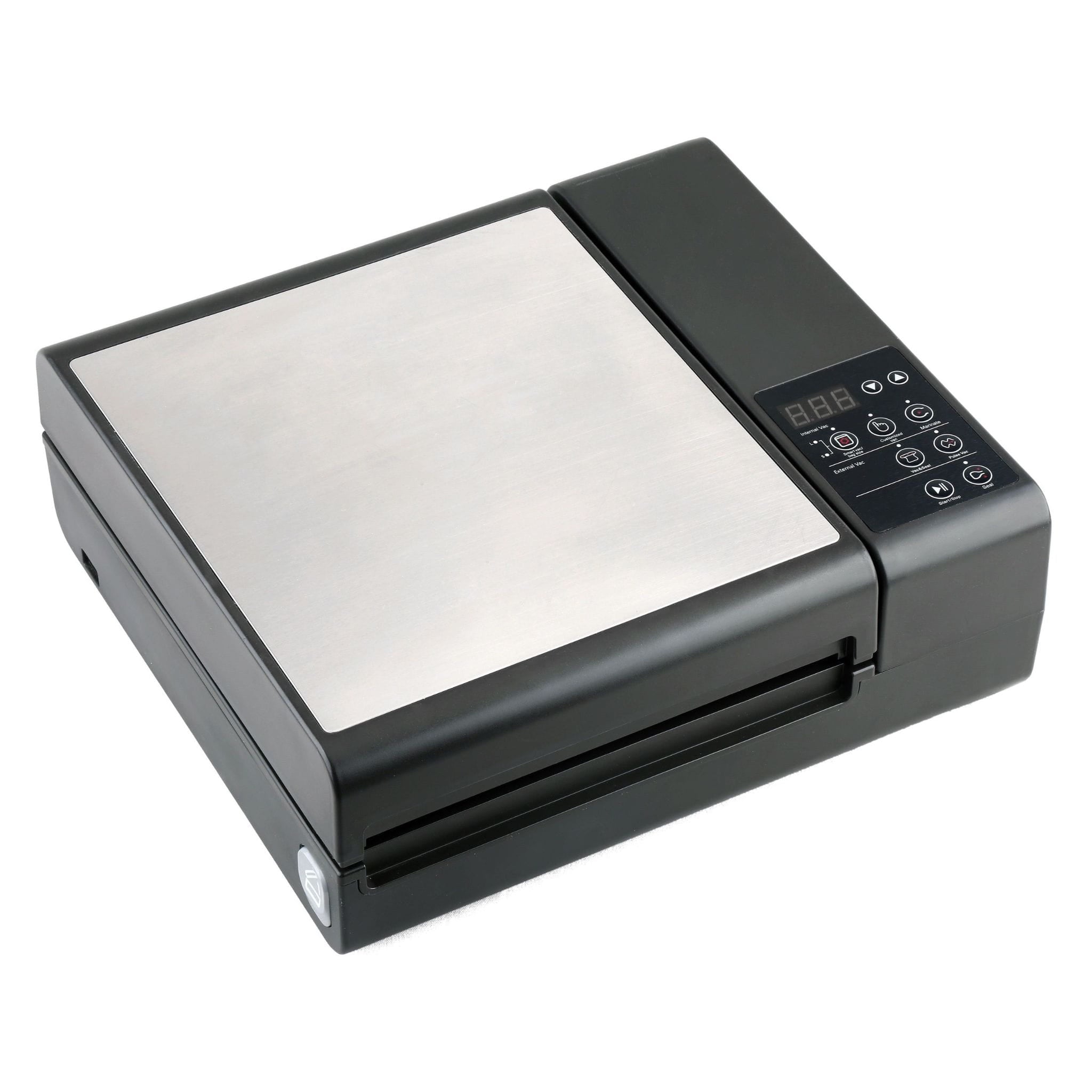
- Best suited if you often package moist or marinated products
- Clear room maintenance for quick visual inspection
- Consistent upscaling to avoid the limits of small models
When should you clean, replace a seal or consider upgrading?
You must clean as soon as you see traces, replace a seal when it no longer returns to its shape correctly and consider upgrading when the constraints of use clearly exceed the capabilities of your current machine. In other words, maintenance solves many things, but not structural undersizing.
The most reliable warning signs are suction that has become irregular despite a clean device, capricious welding on correct bags, or a machine that heats up too quickly during intensive use. In these cases, maintenance remains necessary, but it is no longer always enough.
The latest generations of more robust machines often bring:
- better welding stability;
- materials that are easier to clean;
- superior endurance on repeated sets;
- more serene management of sensitive products.
Need a model that is easier to use on a daily basis?
Browse our selection of professional vacuum machines to find equipment that is more reliable, easier to maintain and better suited to your pace of use.
See the Professional vacuum machines collectionFAQs on maintaining a vacuum machine
How often should you clean a vacuum machine?
A quick wipe after each use is recommended, with a more complete check once a week if use is regular.
Can we use a powerful degreaser?
Better to avoid. A soft, slightly damp cloth is sufficient in most cases, without aggressive product on the solder bar or joints.
How do you know if the gasket needs to be replaced?
If it remains crushed, cracked or no longer allows stable suction despite correct cleaning, its replacement becomes relevant.
Is maintenance enough if my machine vacuums poorly?
Not always. Maintenance eliminates many false defects, but an undersized or worn machine may need repair or an upgrade.