

If yourvacuum machine no longer pumps, the problem often comes from a tired seal, a poorly latched lid, an unsuitable bag or a clogged circuit. Before replacing the device, you must follow a series of simple checks to find out if the fault is due to improper use, a leak or real wear on the pump.
In practice, many machines that “no longer create a vacuum” do not have a dead pump: they simply lose sealing in the wrong place. The good reflex is therefore to diagnose methodically before purchasing a new machine.
Why does a vacuum machine no longer really pump?
The question to ask is simple:Does the pump run without creating vacuum, or does the machine simply refuse to start the cycle?The answer already helps guide the diagnosis.
In the field, the most common causes are almost always the same:
- flattened or cracked gasket, which lets air in;
- poorly positioned bagor not compatible with an external suction machine;
- dirty solder baror clogged suction area;
- poorly locked lid, especially on domestic models;
- tired pumpafter intensive use or cycles that are too close together.
If you have any doubts about the right maintenance actions, you can also consult our article onmaintaining a vacuum machine, very useful for distinguishing a breakdown from a simple lack of maintenance.
Checks to carry out before concluding that there is a real breakdown
Before blaming the engine, you must check each point of contact with the air. This is often where the suction performance comes into play.
1. Check the type of bag used
The short answer:An outside vacuum machine needs embossed bags or a suitable embossed roll.With a smooth bag, air does not flow properly to the suction nozzle, and the machine feels like it is no longer pumping.
This confusion is common after changing consumables. If you use smooth bags on an external machine, the diagnosis will be wrong from the start.
2. Check the seal and the closing of the cover
The right question is:Does the hood still fit correctly over its entire length?If the joint is compacted or if the locking is asymmetrical, air enters immediately and depression is never created.
Inspect the seal visually, then press lightly on it: if it remains crushed, crumbly or uneven, the seal is probably at fault.
3. Clean the suction area and the sealing bar
The answer is yes:greasy residue, dried sauce or fine particles can be enough to disrupt suction.This often happens after packing marinated meat, fish or slightly damp dishes.
Clean with a soft cloth, allow to dry completely, then test with a new, dry bag.
Pro Tip:always do an empty test with a perfectly clean bag and dry food. If the machine regains its suction in this configuration, the problem often comes from the packaging protocol more than from the device itself.
When the machine still has power… but can no longer hold a vacuum
If air is sucked in initially and then returns quickly, the problem is not necessarily the pump.The welding or the quality of the bag may be to blame.
Here are the most common situations:
- weld too thin for regular use;
- edge of the bag wet when closing;
- bag too thick or too wide for the machine;
- insufficient cooling time between two cycles;
- micro-perforation linked to a bone, an edge or a sharp angle.
For recurring problems on entry-level devices, our guide onfrequent breakdowns of vacuum machines Lidlshows well how to recognize the limits of a model that is too light for repeated use.
Should the vacuum machine be repaired, insisted or replaced?
The answer depends on the origin of the problem and your rate of use. If the fault comes from a seal, an unsuitable bag or poor locking, a simple repair is often enough. On the other hand, if the machine heats up quickly, struggles to complete cycles or loses its suction despite good consumables, it is often more profitable to move upmarket.
| Situation observed | Probable cause | Good decision |
|---|---|---|
| The machine starts but almost no air comes out | Seal, bag not compatible, air leak | Check the tightness and test with a new embossed bag |
| Suction begins then the bag re-inflates | Imperfect weld or wet edge | Clean, dry, cycle again with better preparation |
| The machine gets tired after a few bags | Too intensive use for the level of range | Upgrade to a more powerful or double-welded model |
| The problem returns every week despite good actions | Worn pump or mechanism | Replacement recommended to regain reliable suction |
Verdict:if your machine no longer pumps occasionally, start with the leak diagnosis. If it fails repeatedly despite suitable bags and a clean device, replacement is often the most economical solution in the medium term.
Two interesting models if you need to replace a device that has become unstable
When failures multiply, it is better to choose a machine that maintains regular suction, supports close cycles and offers more reassuring welding. This is especially important if you often pack meat, fish, cheese or batch cooking portions.
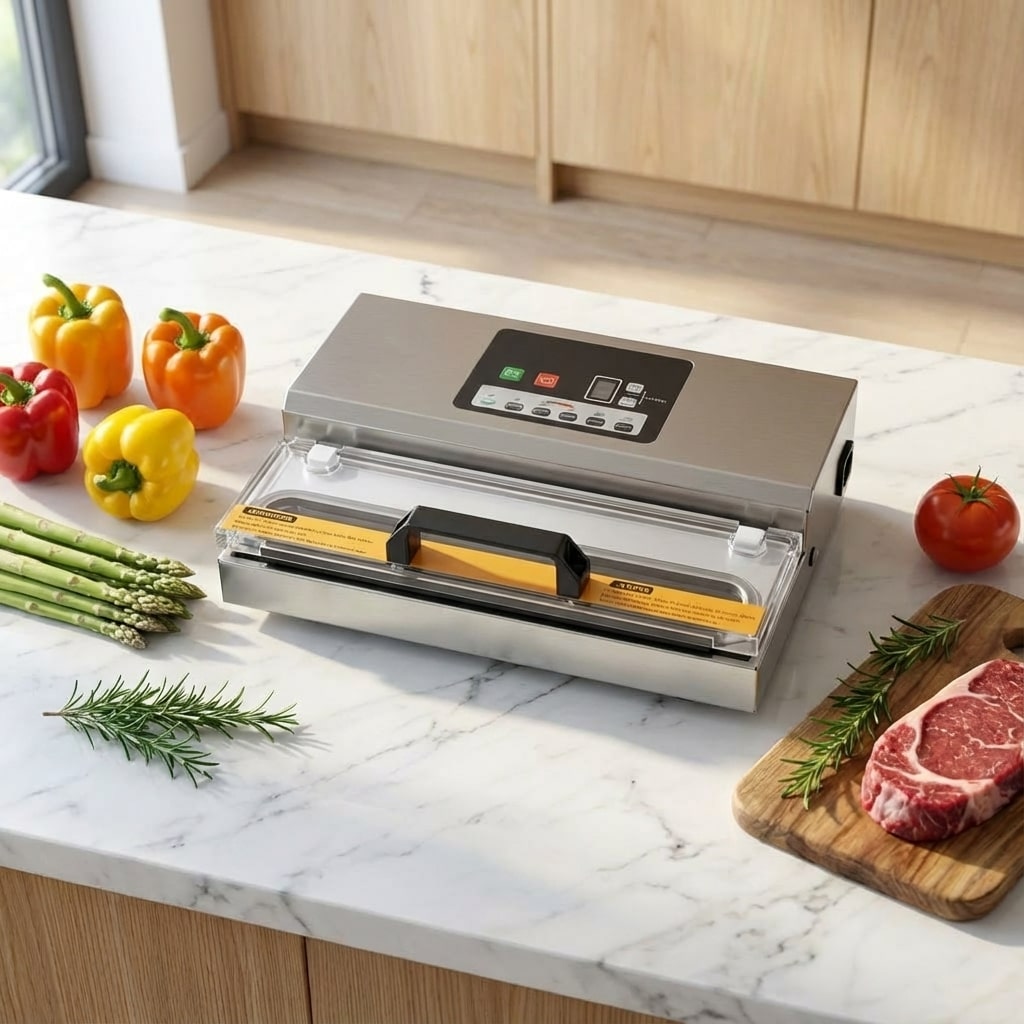
- Power well adapted to find clear suction on a daily basis
- Versatile format for family portions, meats and homemade preparations
- Good compromise if you are replacing a domestic model that has become irregular
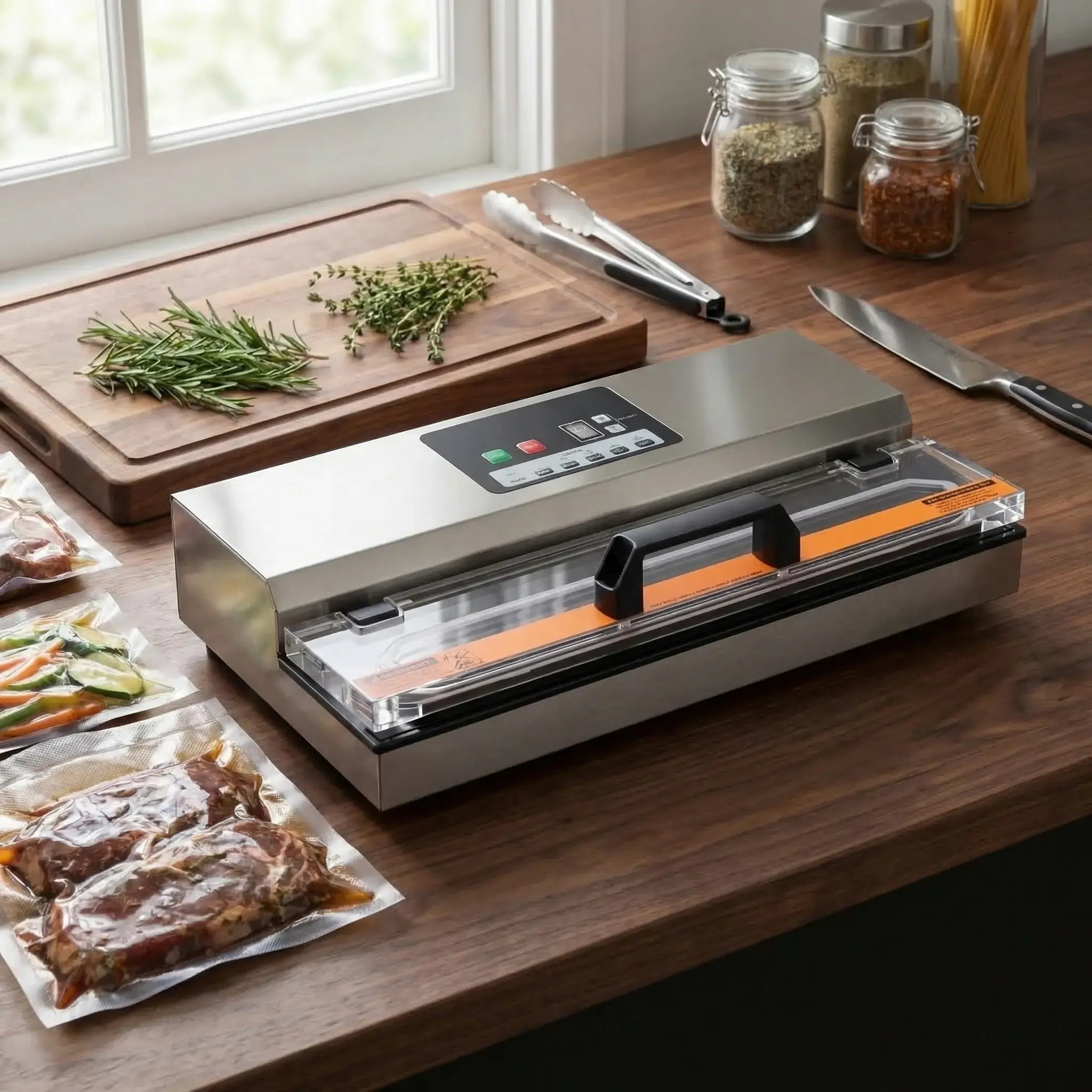
- Large sealing bar useful for large parts and wider bags
- More comfortable cadence if you chain the packages without excessive pause
- Relevant choice when an old device shows its stability limits
How can I prevent the problem from returning after restarting?
The most effective answer is to secure your usage routine. A vacuum machine works best when the consumables are suitable, the bar remains clean and the cycles do not follow one another without breathing.
- Always use the right type of bagdepending on the machine technology.
- Leave to coola few moments between two intensive cycles.
- Dry perfectlythe weld zone before closing.
- Clean the gasket and barafter fatty or moist foods.
- Go upmarketif your usage clearly exceeds the capabilities of the current model.
In practice, the most common mistake is to force a light device on repeated uses, with bulky bags or difficult foods. A suitable machine avoids both breakdowns and wasted time.
Need a more reliable machine to find a real vacuum?
Discover our selection of models designed for regular suction, clean welding and more peaceful daily use.
See professional vacuum machinesFAQs
Why is my vacuum machine making noise but not vacuuming?
Most often, it loses its seal at the seal, cover or bag. The pump is running, but air is still entering.
Can an unsuitable bag block the suction?
Yes. On an external vacuum machine, a smooth bag often prevents good air circulation and gives the impression of a breakdown.
Should the machine be changed at the first loss of suction?
No. It is best to first check the seal, lock, bar cleanliness and bag compatibility.
When should the device be replaced?
When the loss of suction returns despite good consumables, a clean device and correct use, mechanical wear becomes probable.