✓Vacuum sealing for demanding professionals-Free Express Delivery from €100 excl. VAT

Showing all 6 results


| Features | Vacuum Sealer Pro | Other sellers |
|---|---|---|
| Stock in France and Europe | ✔ | Sometimes outside the EU |
| Fast delivery (48/72h) | ✔ | Varying lead times |
| CE-compliant machines | ✔ | Must be checked for each machine |
| 2-year manufacturer’s parts warranty | ✔ | Often 1 year |
| Specialist in professional vacuum packaging equipment | ✔ | Often generalists |
No. A bag sealer or heat sealer closes the bag using heat but does not extract the air inside. It is suitable for product packaging, protection against dust and moisture, sealing compatible food bags, or preparing parcels. To remove the air before sealing, choose a vacuum sealer.
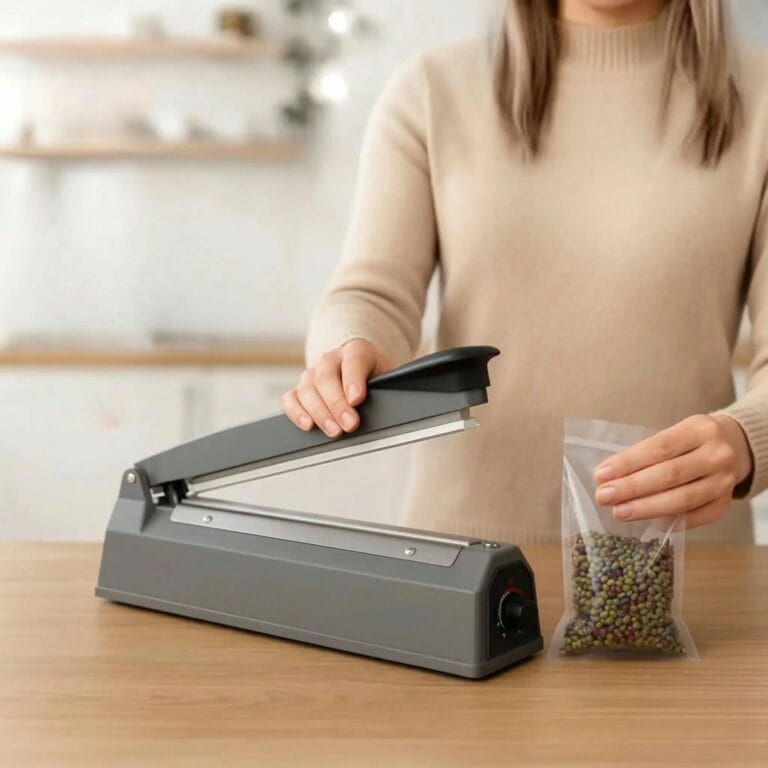
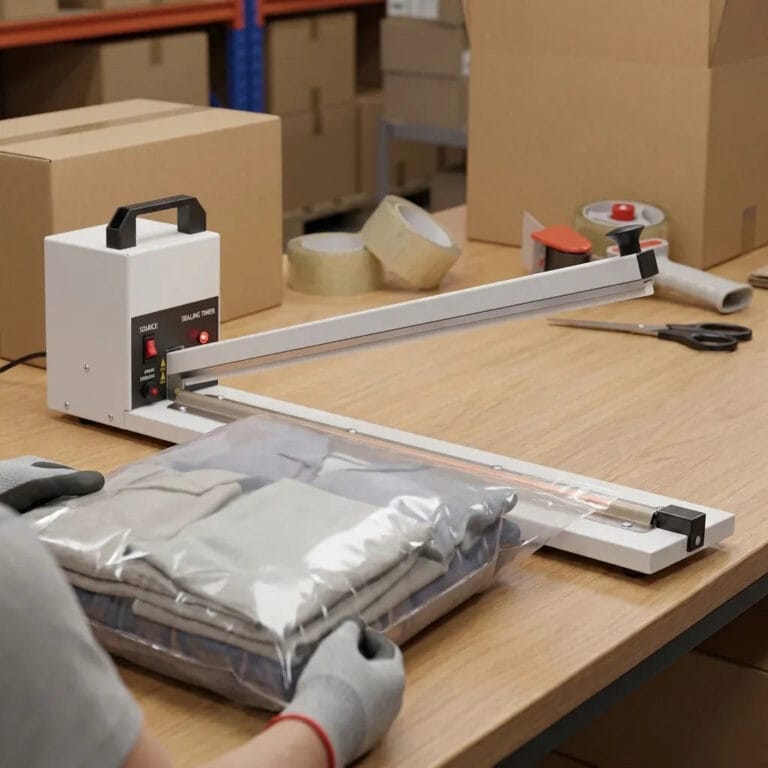
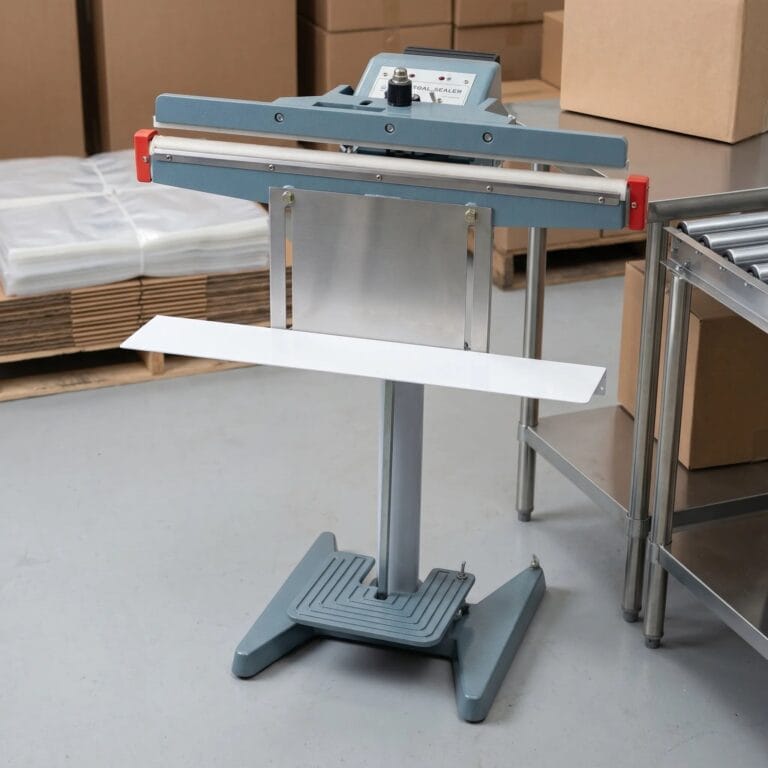
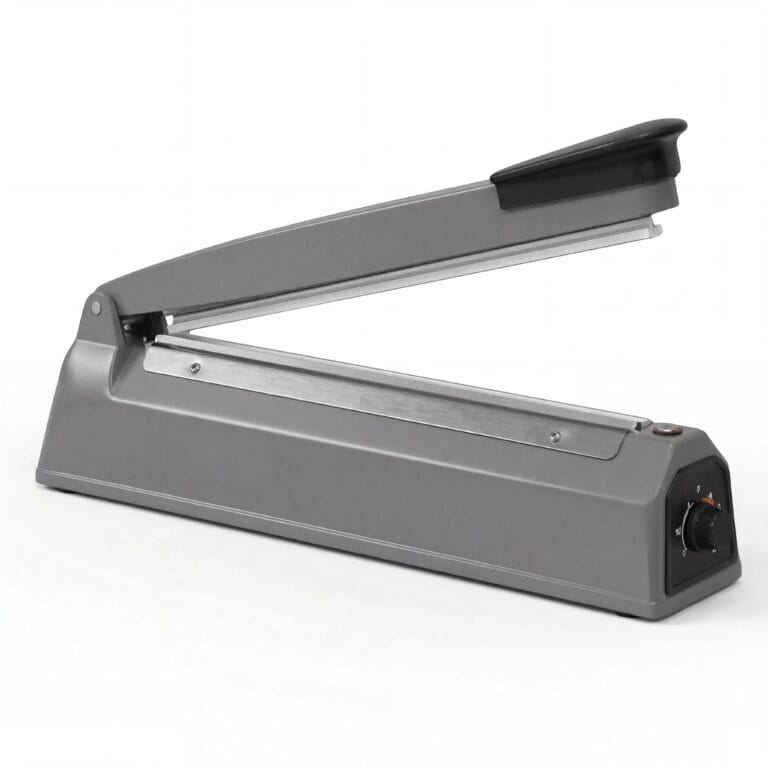
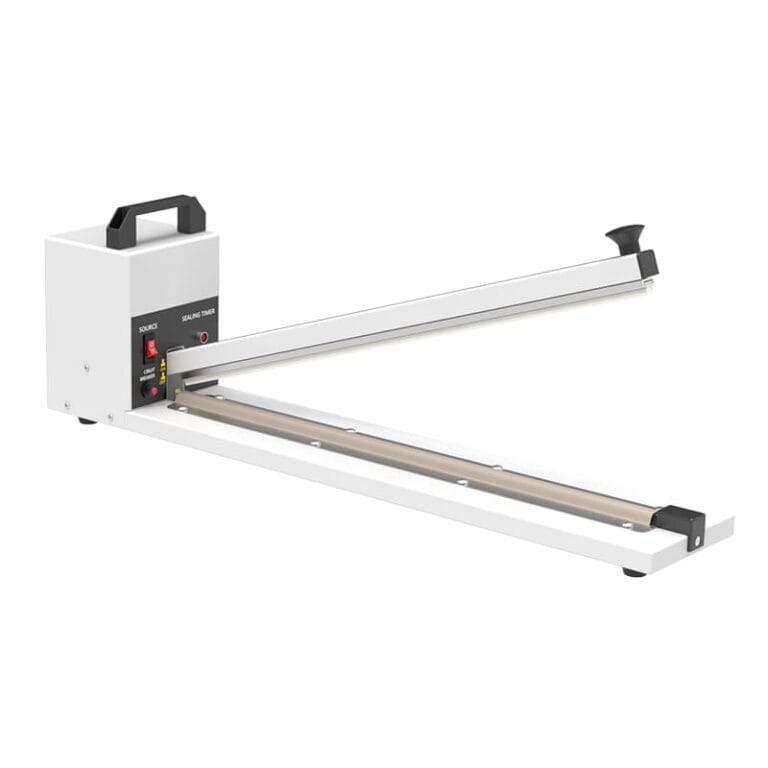
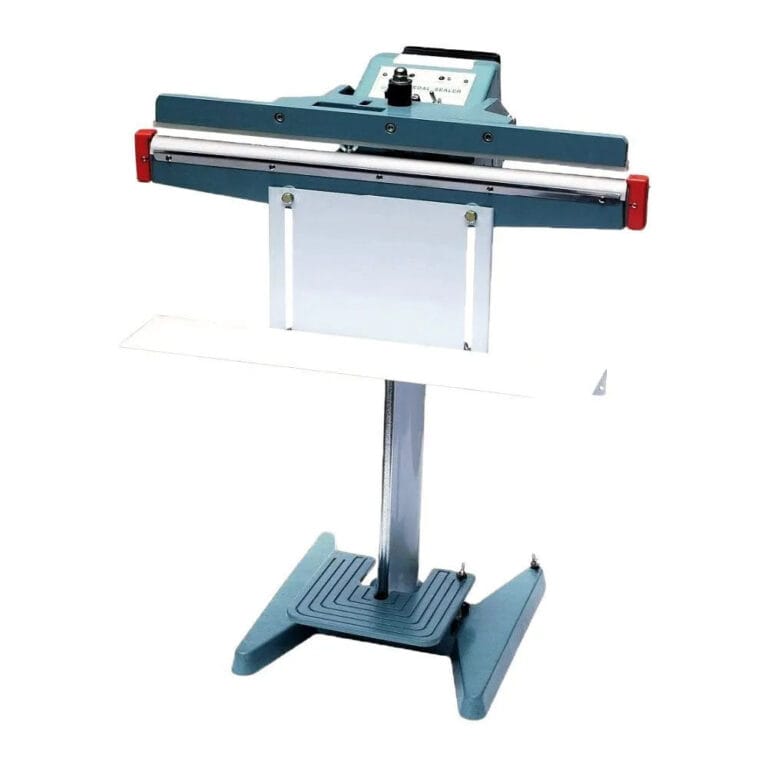
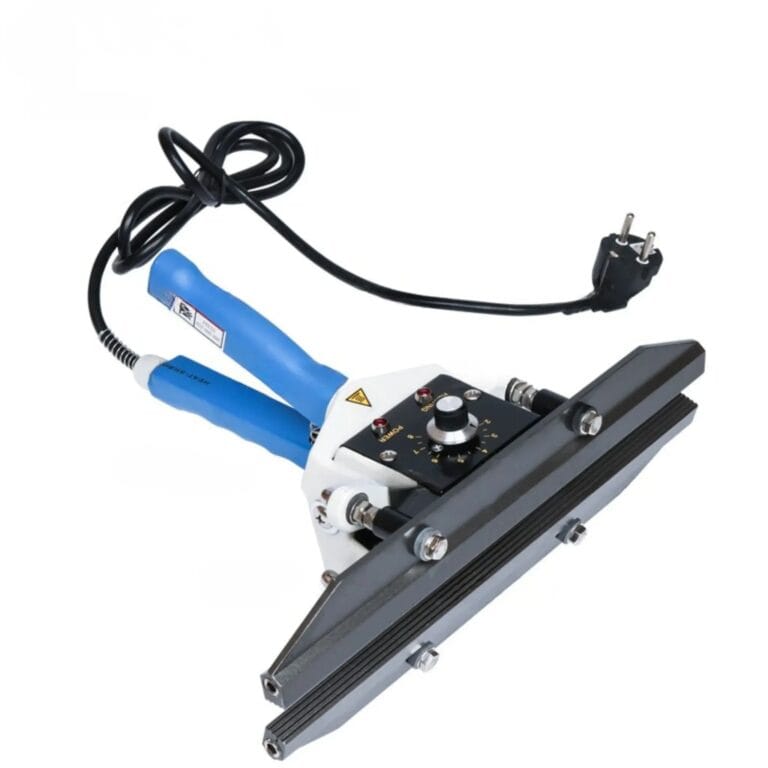
A manual tabletop sealer is suitable for bags that can easily be placed and held on a work surface; our models cover sealing lengths from 200 to 1,000 mm. A foot-operated pedestal heat sealer leaves both hands free to stretch, align, and support the bag, with 300, 450, and 600 mm versions available. Mobile heat-sealing tongs are brought directly to the bag, making them practical for heavy or bulky packaging placed on the floor, on a pallet, or inside a container.
Measure the actual width of the bag opening and choose a sealing bar that is slightly longer, ideally allowing an extra 2 to 3 cm. An integrated cutter is useful when working with tubular film or rolls, as it allows you to make bags to the required length and cleanly remove excess material. It is less important if you only use pre-cut bags in the correct size.
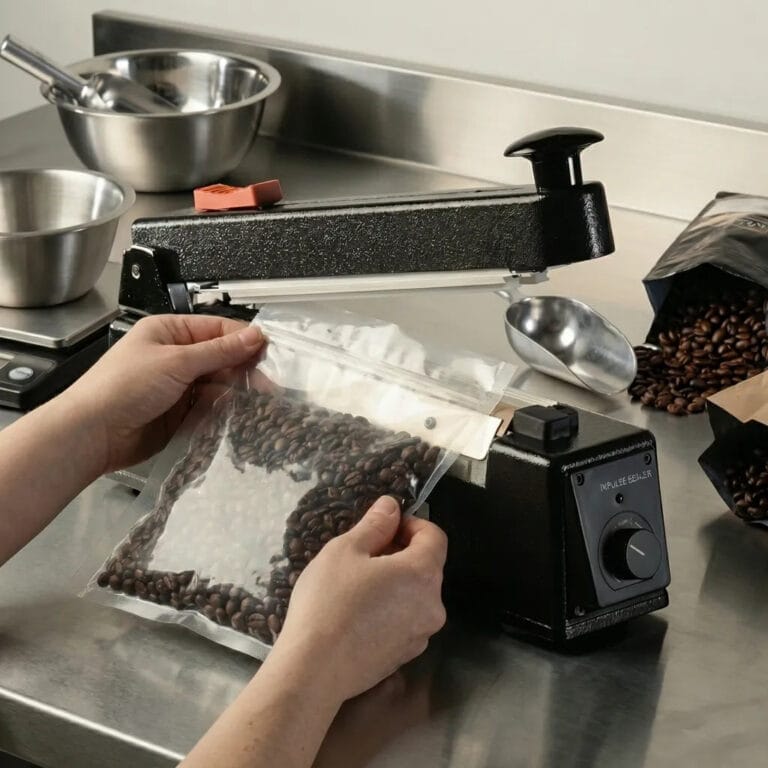
Impulse technology heats only during the sealing cycle and is particularly suitable for common PE and PP films, with no preheating time required. Bi-Active technology heats simultaneously from the top and bottom for thicker packaging, gussets, and areas with multiple layers; depending on the version, our Bi-Active pedestal model handles materials up to 2 × 0.5 mm. Constant heat keeps the jaws at the set temperature: the 400 mm tongs are designed for more demanding laminates, including certain aluminium, Doypack, and lined Kraft bags.
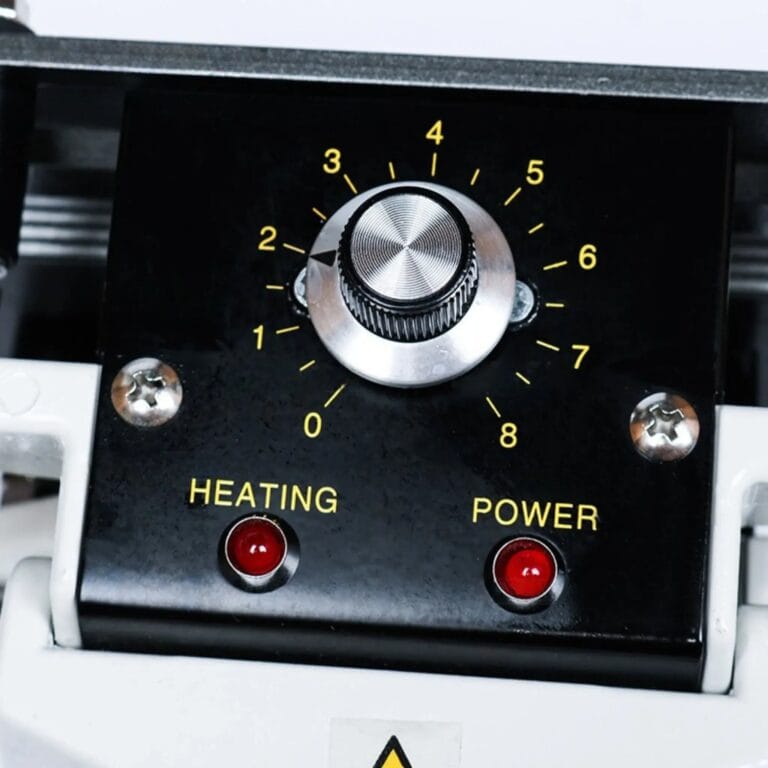
The area to be sealed must be clean, dry, flat, and free from creases. Start with a moderate setting, then gradually increase the sealing time or temperature until you obtain a uniform band without cutting or deforming the film. After heating, maintain pressure for the machine’s specified short cooling period. If a defect occurs, check for residue around the opening, creases, the heat setting, the heating element, and the Teflon strip. Heating elements and Teflon strips are replaceable wear parts on the applicable models.
Vacuum Sealer Pro is a brand of the PIMA OÜ group, specializing in machines and consumables for professional vacuum packaging. It operates throughout the European Union, with its range available in 12 languages.