
Vacuum chamber machine
A chamber vacuum machine places the entire bag inside a chamber before extracting the air and heat-sealing it. This design is particularly suitable for professionals who regularly package portions, moist products, sauces or preparations containing liquid. However, choice is not simply about stated width: chamber, seal bars, pump and installation must be considered together.
Choose according to the format being packaged
The collection covers compact countertop models and industrial machines. Depending on the model, listed seal bars range from 26 cm to 84 cm, with one-bar, two-bar or double-chamber designs. A long bar accommodates a wider bag or several small bags if their arrangement permits, but the product must also fit inside the chamber without obstructing lid closure.
| Criterion | Question to ask | Practical impact |
|---|---|---|
| Chamber | What are its usable dimensions and clearance beneath the lid? | Determines the actual product and bag volume accepted. |
| Seal bar | One or more bars, and what length? | Determines maximum width and simultaneous processing options. |
| Pump | What flow rate and cycle suit the planned load? | Contributes to cycle time; compare it with chamber volume and workstation organisation. |
| Design | Countertop, wheeled, single or double chamber? | Balances footprint, mobility and loading continuity. |
Liquids and loading: points to check
A chamber machine is more suitable than external suction for packaging liquids because the vacuum is created around the bag placed in the chamber. This does not remove the need to follow the fill level, product temperature, programme and instructions on the machine’s product page. For repeat production, also consider loading ease, how many bags can be arranged in the chamber per cycle and the space required around the appliance.
- Measure the largest product and filled bag, not only the empty bag laid flat.
- Check seal length, usable chamber dimensions and the model’s seal type.
- Confirm the power supply, weight and access required to open the lid.
- Use smooth bags with dimensions and an intended use suited to the product.
If you are still choosing between external suction and chamber technology, return to the general vacuum sealer guide. To decide primarily by trade, throughput and production-area organisation, browse our professional vacuum sealers.
Why Vacuum Sealer Pro is the smart choice!
| Features | Vacuum Sealer Pro | Other sellers |
|---|---|---|
| European Stock | ✔ | ✘ (Often outside EU) |
| Express Delivery (48/72h) | ✔ | ✘ (Often 15+ days) |
| CE Certified Machines | ✔ | Uncertain |
| 2-Year Warranty Included | ✔ | Complex / Paid |
| Vacuum Sealing Experts | ✔ | Limited (Generalists) |
| Support & Spare Parts | ✔ | ✘ (Non-existent) |
Frequently Asked Questions
Difference between External and Chamber sealers?
External suction (compact machine) removes air from the bag: perfect for solids (meat, cheese). Chamber sealers vacuum the entire chamber: essential for LIQUIDS (soups, sauces) and high volumes.
Which bags should I use?
The golden rule: External vacuum sealers require EMBOSSED (textured) bags to allow airflow. Chamber vacuum sealers (with a tank) use SMOOTH bags (more economical).
What to choose: Pre-cut Bags or Rolls?
Bags are ready to use: choose them for speed. Rolls are for economy and custom sizing: you cut exactly the length you need. Ideal for very long items (salmon, fillets) or to avoid plastic waste.
Do you sell spare parts?
Yes. Unlike disposable supermarket appliances, our machines are built to last. We offer wear consumables (gaskets, Teflon strips) and can supply technical parts to ensure the maintenance of your equipment.
What is the warranty?
All our equipment is covered by a 2-year manufacturer's warranty. In case of failure, our technical support team will assist you with repair or exchange.
What Foods Can Be Vacuum Sealed?
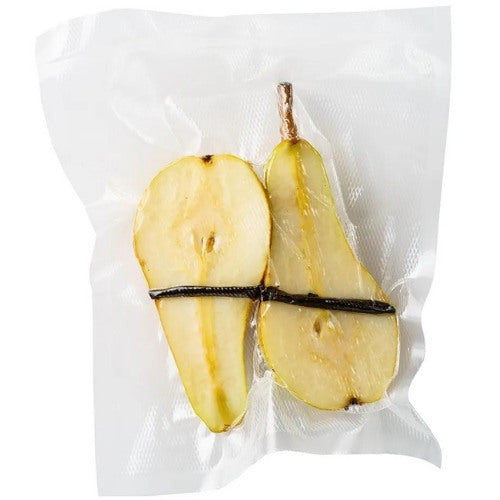
Fruits
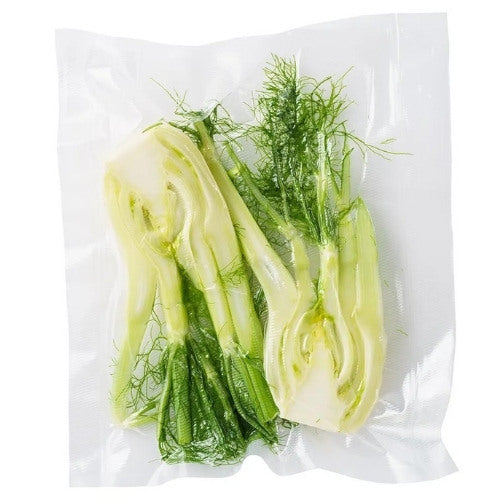
Vegetables
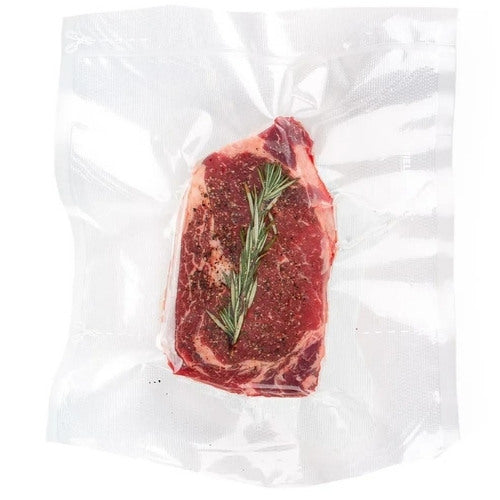
Meats
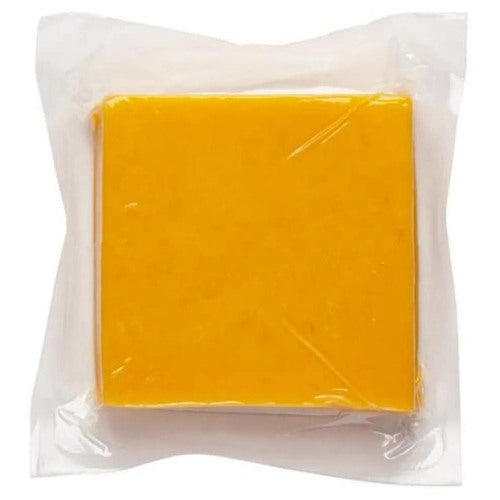
Cheeses
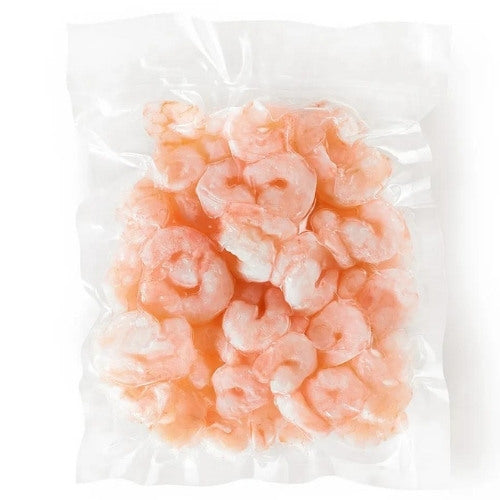
Fish/Seafood
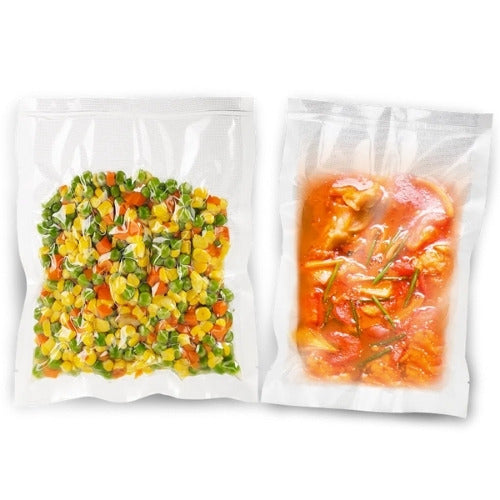
Prepared dishes/Sauces
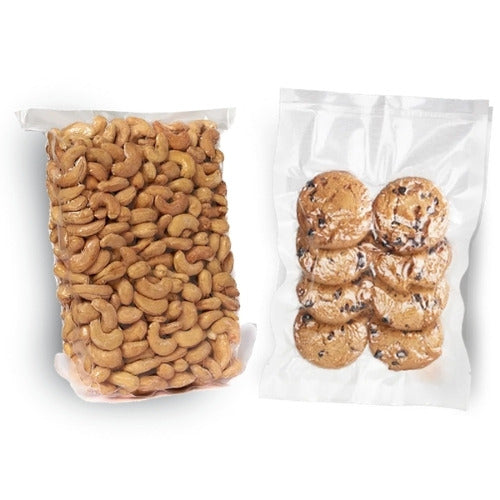
Snacks and crackers